'%3e%3cpath%20d='M31.96%2042.4211V31.2583H35.3337L35.8398%2026.9067H31.96V24.1288C31.96%2022.8693%2032.2738%2022.011%2033.9025%2022.011L35.9764%2022.01V18.1178C35.6177%2018.066%2034.3866%2017.9474%2032.9537%2017.9474C29.9616%2017.9474%2027.9132%2019.975%2027.9132%2023.6978V26.9067H24.5293V31.2583H27.9132V42.4211H31.96Z'%20fill='white'/%3e%3c/g%3e%3cdefs%3e%3cclipPath%20id='clip0_820_4965'%3e%3crect%20width='22.8941'%20height='24.4737'%20fill='white'%20transform='translate(19.6235%2017.9474)'/%3e%3c/clipPath%3e%3c/defs%3e%3c/svg%3e)
'%3e%3cpath%20d='M36.9363%2019.0706H25.6868C22.0255%2019.0706%2019.0469%2022.0424%2019.0469%2025.6954V36.9196C19.0469%2040.5724%2022.0255%2043.5442%2025.6868%2043.5442H36.9365C40.5976%2043.5442%2043.5762%2040.5724%2043.5762%2036.9196V25.6954C43.5762%2022.0424%2040.5976%2019.0706%2036.9363%2019.0706ZM31.3116%2037.9992C27.6132%2037.9992%2024.6045%2034.9973%2024.6045%2031.3074C24.6045%2027.6174%2027.6132%2024.6156%2031.3116%2024.6156C35.0099%2024.6156%2038.0186%2027.6174%2038.0186%2031.3074C38.0186%2034.9973%2035.0099%2037.9992%2031.3116%2037.9992ZM38.179%2026.1937C37.0861%2026.1937%2036.1972%2025.3068%2036.1972%2024.2163C36.1972%2023.1259%2037.0861%2022.2388%2038.179%2022.2388C39.272%2022.2388%2040.161%2023.1259%2040.161%2024.2163C40.161%2025.3067%2039.2719%2026.1937%2038.179%2026.1937Z'%20fill='white'/%3e%3cpath%20d='M37.8527%2023.9653C37.402%2023.9653%2037.0352%2024.3315%2037.0352%2024.7811C37.0352%2025.2308%2037.402%2025.5969%2037.8527%2025.5969C38.3036%2025.5969%2038.6704%2025.2311%2038.6704%2024.7811C38.6704%2024.3312%2038.3036%2023.9653%2037.8527%2023.9653Z'%20fill='white'/%3e%3cpath%20d='M27.2234%2031.3073C27.2234%2029.0581%2029.0575%2027.2284%2031.3116%2027.2284C33.5659%2027.2284%2035.3999%2029.0581%2035.3999%2031.3073C35.3999%2033.5564%2033.5659%2035.3863%2031.3116%2035.3863C29.0575%2035.3863%2027.2234%2033.5564%2027.2234%2031.3073Z'%20fill='white'/%3e%3c/g%3e%3cdefs%3e%3cclipPath%20id='clip0_820_4970'%3e%3crect%20width='24.5294'%20height='24.4737'%20fill='white'%20transform='translate(19.0469%2019.0706)'/%3e%3c/clipPath%3e%3c/defs%3e%3c/svg%3e)


Hosting Gaming Equipment or Running the Operation Yourself
A retail owner considering gaming has two separate questions to answer: whether the activity fits the store and who will be responsible for it. Hosting another operator’s equipment and running a directly owned setup can place very different duties on the same venue.
Evaluate both arrangements using a realistic picture of the store’s available space, staff, and operating hours. Equipment ownership is only one part of the comparison. Service obligations, purchasing decisions, and the terms for ending the relationship can matter just as much.
Decide How Much Work the Store Can Absorb
Observe the proposed area while the main business is busy. Identify the space that would be displaced and the employee who could respond to a question or equipment problem. A quiet corner at opening time may become a delivery route or checkout queue later.
Write down which responsibilities the owner is prepared to retain. These could include routine supervision, cleaning, supplier contact, or purchasing. Separate acceptable duties from tasks requiring specialist help so proposals can address the store’s actual capacity.
Have the intended operating model reviewed before making a commitment. A hosting contract does not resolve the legal suitability of the activity, and ownership does not change that requirement. Review the location and proposed transactions rather than relying on the equipment label.
Read a Hosting Proposal Beyond the Upfront Price
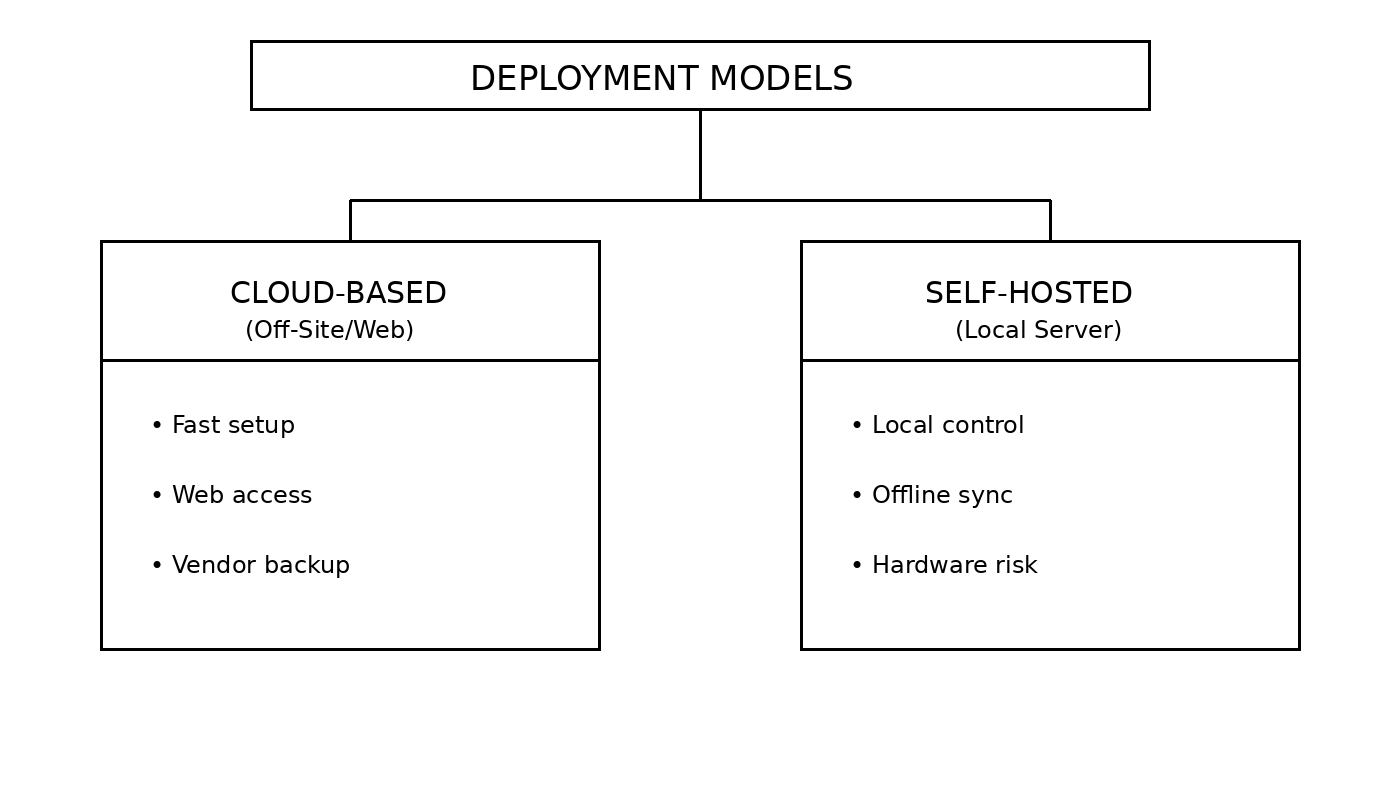
Under a hosting arrangement, another company may supply equipment and manage agreed parts of the operation. The store’s compensation could involve rent, revenue share, or another negotiated basis. Those possibilities need to be described in the actual contract.
Ask which costs remain with the venue: electricity, connectivity, supplies, damage, cleaning, or staff assistance. Determine who responds when service is interrupted and who communicates with customers. Equipment supplied without a purchase charge can still create recurring obligations.
For a revenue share, obtain the calculation base and treatment of deductions, adjustments, and settlement periods. Ask which records support the figures and how the venue can dispute an error. A percentage alone is not enough to evaluate the commercial arrangement.
Budget the Responsibilities of Direct Operation
Direct operation lets the business make its own purchasing choices within the available terms, but also requires it to organize the work. Include installation, platform charges, service, staff time, and replacement needs when assessing equipment costs.
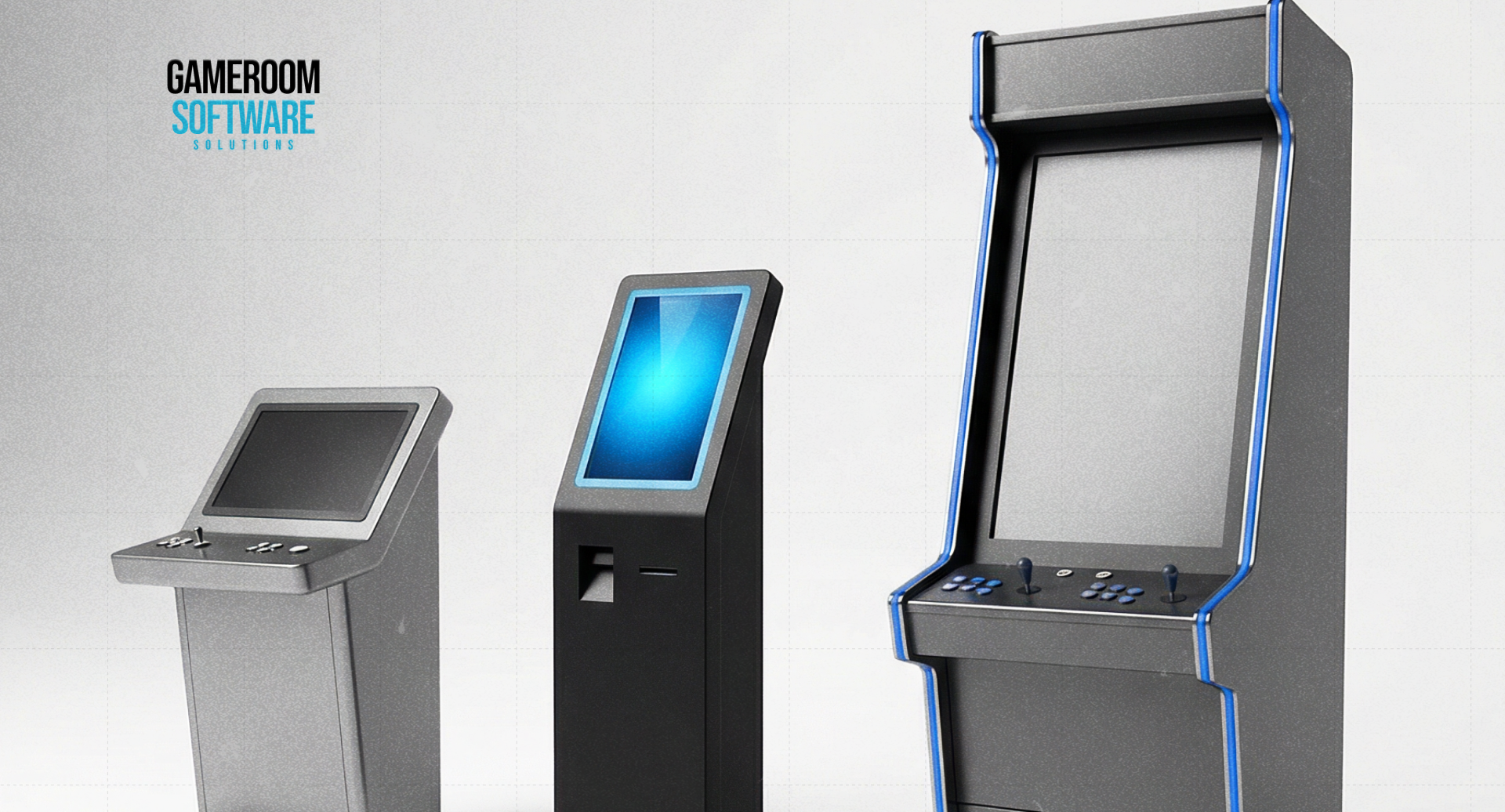
Compare gaming systems against those requirements before selecting hardware. If the workflow calls for self-service equipment, review kiosk options alongside the proposed platform and confirm the intended combination.
Assign an owner for account questions, buying decisions, and technical escalation. Buying the equipment does not establish control over all software settings or permissions. Confirm which responsibilities belong to the business and which remain with the supplier or developer.
Compare Service and Exit Conditions Together
Put both proposals on the same footing. Review initial commitments, recurring costs, retained duties, information access, and repair arrangements. Distinguish promises written into the agreement from informal statements made during a demonstration.
Consider a staff shortage, an equipment failure, or a change to the store layout. Who can suspend operation, approve a repair, or arrange removal? These scenarios help expose dependencies that may be missed when the proposal is discussed only in normal conditions.
Finally, establish termination requirements. Ask who removes equipment, restores the area, and resolves outstanding obligations or transactions. Review exclusivity and access provisions as well. A clear exit process is part of an understandable agreement, even when the business expects the relationship to continue.
FAQ
What changes when a store hosts another operator?
Some equipment and operating duties are assigned to another company under a contract. The store may retain space, utility, supervision, or assistance obligations. Review the actual division of work rather than assuming hosting makes the activity passive.
Does direct ownership provide complete software control?
No. Equipment ownership and software permissions are separate matters. The account arrangement determines available administrative functions, while developers or suppliers may retain other responsibilities. Confirm the controls required by the business before selecting a directly operated setup.
How should a revenue-share offer be compared?
Compare the defined calculation, deductions, settlement timing, supporting records, and remaining venue costs. Include repair and termination duties. Two offers with similar percentages can assign different obligations, so the headline share alone does not establish their relative value.
Discuss your preferred level of involvement with GameRoom Software when reviewing platform and equipment requirements.